|
|
 |
Hi ,
Honoring Our History, Prioritizing Our Future: Women’s Health in Focus
As March and Women’s History Month come to a close, we take a moment to celebrate the diverse, brilliant women who keep our families, workplaces, and communities running. At NAMI CCNS, we believe the best way to honor women’s history is to protect women’s futures, and that starts with understanding the unique factors that shape female mental health.
|
|
|
 |
|
|
|
Mental health does not exist in a vacuum. It is deeply tied to our environments, identities, and the current state of medical education.
|
By the Numbers: The Mental Health Gap
Biological shifts, combined with social pressures, create a distinct landscape for women’s health. Currently:
1 in 5 women (19%) experience a common mental health disorder (like anxiety or depression), compared to 1 in 8 men.
Women are twice as likely to experience depression and four times more likely to suffer from migraines.
Young women (16–24) are a high-risk group: 26% experience a common mental health disorder, almost 3x the rate of young men.
|
|
|
Intersectional Challenges
Poverty & Abuse: 29% of women in poverty experience mental health disorders. Furthermore, 53% of women with mental health problems have a history of abuse.
BAME Disparities: Black, Asian, and Mixed-race women face additional challenges, including racism and stigma. 29% of Black women and 24% of Asian women experience common mental disorders.
|
|
|
The Education Gap
Despite these stats, a national study found that only 14% of U.S. medical schools offer a dedicated women’s health curriculum. This gap often leads to symptoms being dismissed or misdiagnosed as "just stress," leaving many women without the specific care they need.
|
| Explore Women's Mental Health Facts
|
|
|
 |
Understanding the "why" behind how we feel can make those shifts feel a little less confusing and a lot easier to talk about.
|
The Invisible Messenger: Understanding Your Hormones
Ever feel more tired, overwhelmed, or emotional than usual without a clear reason? It isn’t "all in your head," it might be in your hormones. While we often associate hormones with fertility, they are actually powerful chemical messengers that influence mood, motivation, and cognitive function by interacting with neurotransmitters like serotonin and dopamine.
Estrogen: As estrogen drops, so does Serotonin (the brain chemical that helps us feel happy), resulting in increased sadness and anxiety.
Progesterone: This "calming hormone" also begins to decline during perimenopause, which can lead to increased irritability and sleep issues.
|
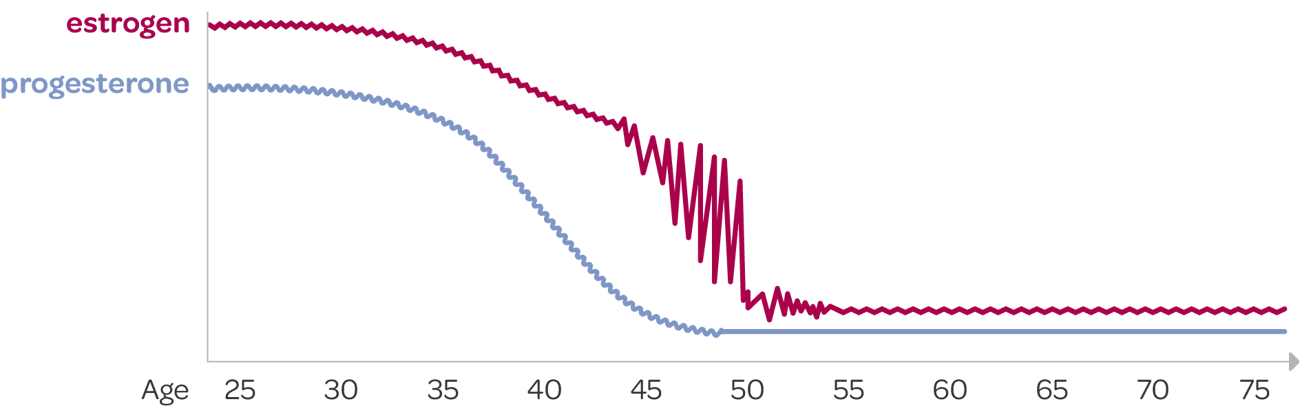 |
Because women navigate significant hormonal shifts during puberty, pregnancy, postpartum, and menopause, they often experience more frequent fluctuations in stress response and mental clarity than men
|
| How Hormonal Changes Affect Mental Health in Women
|
|
|
|
|
 |
Maternal Mental Health: Beyond the "Baby Blues"
The perinatal phase is the second window of vulnerability. One in five women experiences a Perinatal Mood or Anxiety Disorder (PMAD).
The "Baby Blues": Affects up to 80% of new mothers. It typically involves unexplainable mood swings, crying spells, and irritability. Crucially, these feelings last less than two weeks and generally include many happy moments mixed with the lows.
Postpartum Depression: This is a much deeper emotional experience that affects 1 in 7 women. It involves persistent feelings of sadness, worthlessness, or hopelessness that last for more than two weeks. It can make it difficult to bond with the baby or find pleasure in life.
|
|
|
|
| Understanding Maternal Mental Health
|
|
|
Menopause & Perimenopause
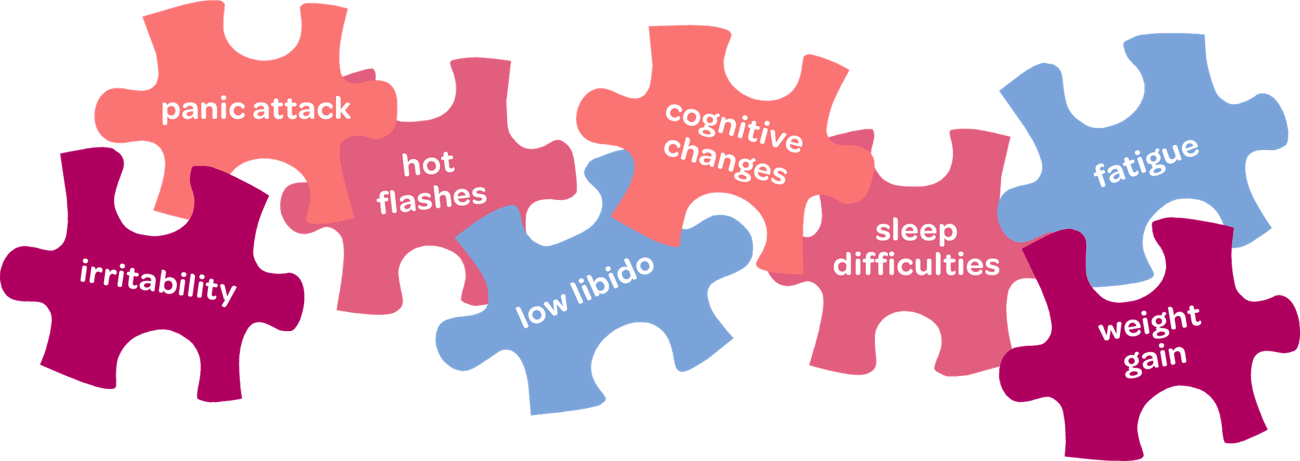
Perimenopause is the beginning of the menopause journey and can trigger mood and anxiety symptoms even in women who have never before had mental health challenges.
38% of women in late perimenopause report symptoms like irritability, mood swings, and fatigue.
New Risks: Women who have never experienced depression are two to four times more likely to experience a depressive episode during this transition.
The Menopause Puzzle: Hot flashes and panic attacks can feel similar (racing heart, sweating). A key difference? During a panic attack, you often feel short of breath, which typically doesn't occur during a hot flash.
|
 |
Risk Factors: Women with a history of PMDD or Postpartum depression have a 58% greater risk for another episode during perimenopause. Adverse life events, such as a history of abuse or poverty, also increase this risk.
|
| Learn More About Menopause & Mental Health
|
|
|
 |
You do not have to "suffer through" these transitions. Whether you are navigating puberty, postpartum, perimenopause, or menopause, there is a path toward feeling like yourself again. Use this checklist as a starting point for your own mental health self-care:
Prioritize Restorative Sleep: Aim for 7–9 hours of quality rest each night. Since night sweats or hormonal anxiety can disrupt sleep, talk to your doctor if you’re struggling to stay asleep.
Move for Your Mood: Aim for 150 minutes of moderate aerobic activity per week. Even a short walk in the sunshine can help boost serotonin and clear "brain fog."
Break the Silence: Tell a trusted friend or family member if you are struggling. Often, simply knowing you aren't alone in your symptoms can provide immediate relief.
Consult a Professional: If your symptoms (like irritability, fatigue, or low motivation) last for more than two weeks or interfere with your daily life, consider talking to a mental health professional or an informed healthcare provider.
|
|
|
|
|
|
|
|
|
|
 |
Do you have go-to positive affirmation to get you through tough times? Share it with us for a chance to be featured in the Mental Health Wire!
|
| Submit Your Affirmation
|
|
|
 |
Donate to NAMI CCNS Today
Your generosity keeps our education programs and support groups free and accessible for individuals and families impacted by mental illness. Every gift makes a real difference: $25 helps cover facility costs for one program session, and $100 supports the training of a new teacher or facilitator. Your support ensures that no one has to face mental health challenges alone.
|
| Donate Now
|
|
|
|
|
|
As we close out Women’s History Month, let’s carry the spirit of resilience and self-advocacy into the rest of the year. Thank you for being part of a community that listens to women, believes their stories, and provides a safe space to heal. We hope to see you at a support group or an upcoming event very soon. Until then, take care of yourself and each other.
|
With hope,
The NAMI CCNS Team
Contact Us | Instagram | Facebook |
Linktree
|
|
|
|
|
|
|
Copyright © 2025 NAMI CCNS, All rights reserved.
Our mailing address is:
NAMI CCNS
8324 Skokie Blvd
Skokie, Illinois 60077
United States
Our email address is:
admin@namiccns.org
Want to change how you receive these emails?
You can update your preferences or unsubscribe from this list.
|
|
|
|
|



