|
|
|
|
|
|
How Relationships and Time with Others Support Mental Health
There was a time when much of our free time was spent simply being together: talking, laughing, sharing meals, running errands side by side, or sitting in the same room without distraction.
Today, connection often looks different. Many of our interactions happen through screens. Busy schedules, work demands, caregiving responsibilities, and daily stress leave little room for meaningful, face-to-face time.
At the same time, mental health challenges continue to rise. According to the CDC, increasing numbers of people report persistent feelings of sadness, isolation, and anxiety.
There is no single cause for this trend. Technology use, lingering effects of the pandemic, work stress, financial pressures, and social shifts all play a role. But one protective factor remains clear and consistent: Human connection improves mental health
|
|
|
|
|
Why Connection Matters at Every Age
From childhood through older adulthood, our brains are wired for relationships. When people feel connected, they cope better. When isolation increases, mental health risks often increase as well.
Meaningful social interaction supports: |
|
|
|
|
Online communication can help us stay in touch, but it does not fully replace the benefits of in-person interaction. Tone, body language, shared experiences, and physical presence all strengthen bonds in ways
digital communication cannot replicate.
|
|
|
|
|
Barriers to Connection
Some people may withdraw because they feel overwhelmed. Others may default to the convenience of digital interaction. And many simply feel too tired.
The goal is not to eliminate these realities, but to intentionally make space for connection anyway.
In today’s world, connection often competes with |
|
|
Long work hours
Caregiving responsibilities
Overscheduled calendars
Technology and screen time
Social anxiety or burnout
|
|
|
|
|
 |
1. Be Intentional With Time
Consistency builds closeness. Schedule connection the way you would schedule any important commitment
|
|
|
|
|
|
|
2. Balance Screen Time With Face-to-Face Time
Technology is useful, but it should supplement, not replace, real interaction. Consider setting personal or family guidelines that prioritize in-person time when possible. Even one hour of face-to-face interaction can significantly improve mood and reduce stress.
|
|
|
|
|
3. Take the First Step
Initiating connection can feel vulnerable. But often, others are waiting for someone else to reach out. Send the text. Make the call. Extend the invitation. Small efforts can lead to meaningful relationships.
|
|
|
4. Join Structured Communities
Connection doesn’t have to happen spontaneously. Structured spaces provide natural opportunities for interaction and shared purpose.
Consider: |
|
|
Community organizations
Volunteer groups
Faith communities
Clubs or hobby groups
Peer support programs
|
|
|
|
|
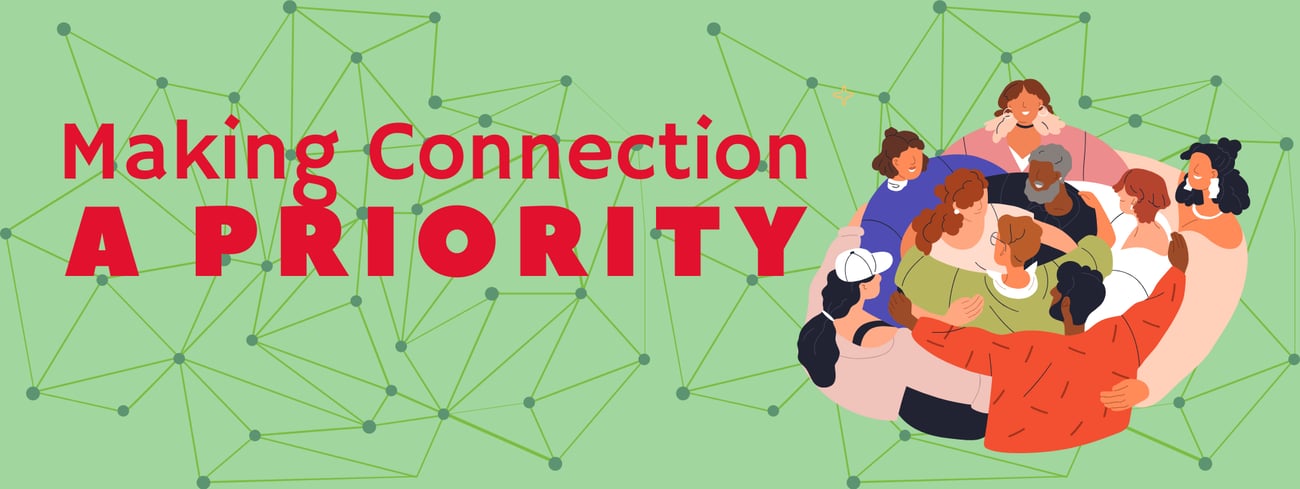 |
Connection is not a luxury. It is a core component of mental wellness.
Many things compete for our time and attention, but investing in relationships strengthens our ability to handle stress, navigate challenges, and recover from setbacks. Whether you are supporting a loved one, managing your own mental health, or simply trying to feel less alone, connection matters.
At NAMI CCNS, we believe that no one should face mental health challenges alone. Through support groups, education programs, and community events, we create spaces where connection can grow. If you are looking for support or community, we encourage you to connect with us or explore available resources.
|
|
|
 |
Do you have go-to positive affirmation to get you through tough times? Share it with us for a chance to be featured in the Mental Health Wire!
|
| Submit Your Affirmation
|
|
|
|
|
|
|
Donate to NAMI CCNS Today
Your generosity makes it possible for NAMI CCNS to offer vital education, support, and advocacy to individuals and families impacted by serious mental illness. Make a gift today and help us create a compassionate tomorrow.
|
|
|
|
|
|
|
Thank you for being part of our community and for prioritizing connection in your own life and the lives of those around you. Strong relationships are one of the most powerful tools we have to support mental
health and recovery.
Whether you’re reaching out to a friend, attending a support group, or simply making time for meaningful conversation, those moments matter. We’re grateful to walk alongside you as we continue building a more connected, compassionate community.
|
|
|
|
|