|
|
|
|
|
|
Maintaining a Positive Relationship with a Loved One Living with Mental Illness
When someone you love is living with a mental health condition, it’s natural to want to fix, correct, or protect. You want to ease their pain. You want to prevent mistakes. You want to make things better.
But often, what strengthens relationships most isn’t correction, it’s connection.
|
|
|
|
|
|
|
“Connection over correction” is a relationship approach rooted in trust, emotional safety, and understanding. When people feel heard and supported, they are more likely to open up, regulate emotions,
and seek help. When they feel criticized or dismissed, they are more likely to shut down.
If you’re wondering how to maintain a positive relationship with your loved one, consider shifting from fixing to connecting.
|
|
|
|
|
Stop Trying to Fix
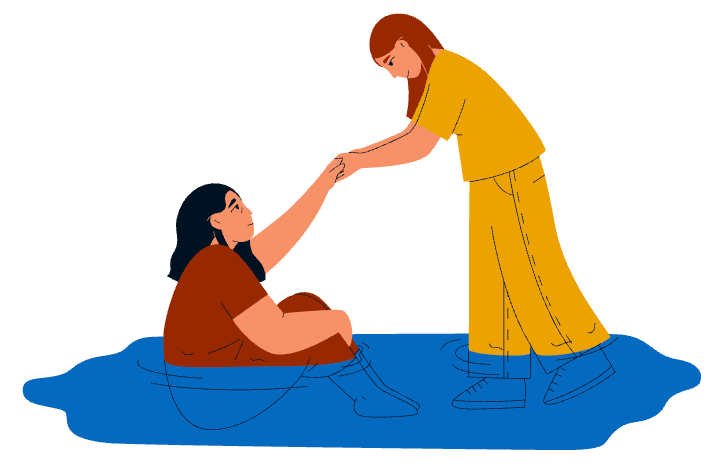
Unless there is real risk of harm, allow your loved one to learn through their own experiences, including mistakes. Growth often comes from lived lessons, not lectures. Support does not require solving everything.
|
|
|
Instead of stepping in immediately:
|
|
|
|
|
Validate Without Agreeing
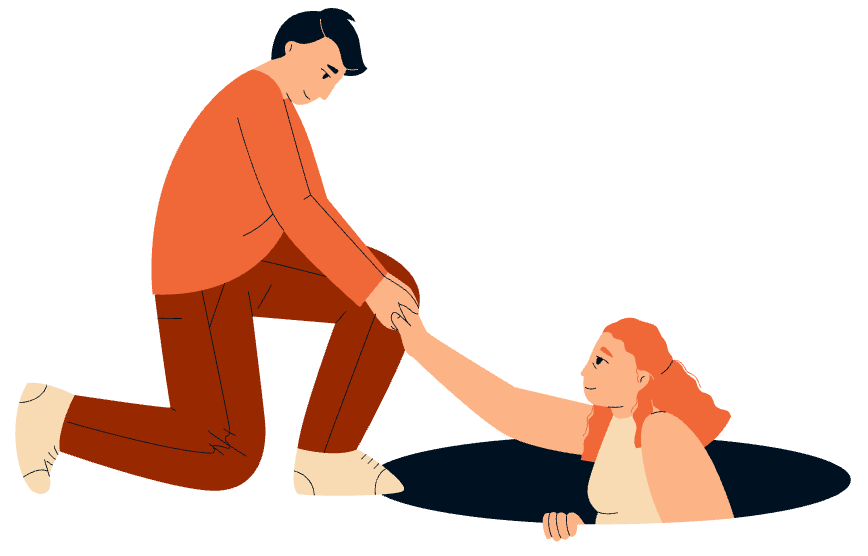
Validation does not mean you approve of harmful behavior or abandon your boundaries. It means acknowledging that your loved one’s feelings make sense within their lived experience. You can validate emotions without agreeing with actions.
|
|
|
Validation lowers defensiveness. When someone feels understood,
they are more willing to listen and reflect.
|
|
|
Instead of correction, try connection:
Correction: “That’s not logical.”
Connection: “I hear that you’re really upset. How are you doing with all of this?”
Correction: “Just calm down.”
Connection: “It sounds like you felt really out of control in that moment.”
Correction: “You’re overthinking.”
Connection: “Can I make sure I’m understanding you? You felt ___ when ___. Do I have that right?”
|
|
|
|
|
Curiosity Builds Trust
Correction can shut down vulnerability. Curiosity invites it.
|
|
|
Try asking:
“What does that feel like for you?”
“What would help right now?”
“What would you like to talk about with me?”
The goal is not interrogation. The goal is understanding. Research in relationship psychology shows that when individuals feel emotionally safe, they are more likely to regulate behavior and cooperate. Connection shapes long-term trust, and trust makes problem-solving possible.
|
|
|
Boundaries Are Not Betrayal
Choosing connection does not mean becoming permissive. It does not mean tolerating harmful behavior. It does not mean sacrificing your own well-being.
|
|
|
You can care deeply and still say:
|
|
|
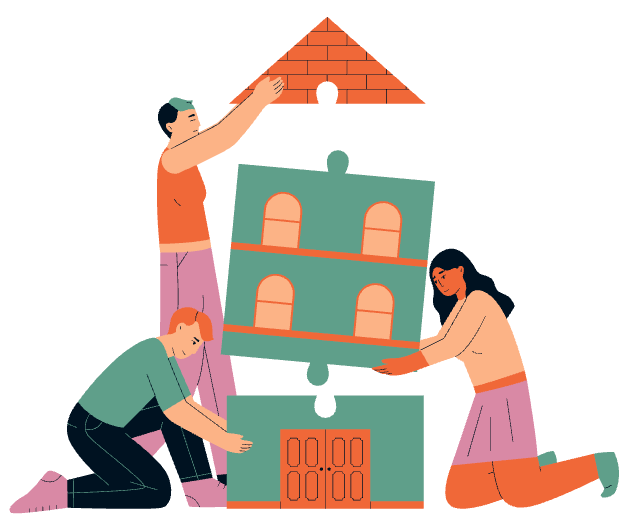
Boundaries protect relationships. They create clarity and safety for everyone involved. Connection works best when it exists alongside healthy limits.
|
|
|
 |
Seek Support
Caregiving and supporting someone with mental illness can be emotionally demanding. You do not have to navigate it alone.
|
|
|
Small acts of consistency such as listening, validating, asking
questions, setting respectful boundaries build trust over time. That trust can make it easier for your loved one to accept support and seek professional help when needed.
|
|
|
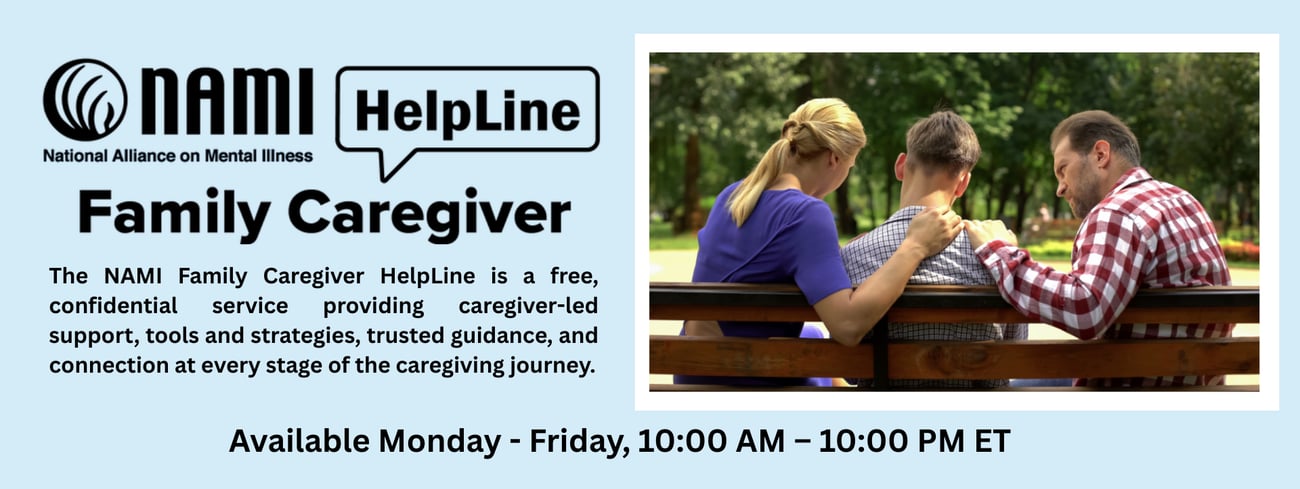
If you need guidance, the NAMI Family Caregiver HelpLine offers free, confidential support, tools, and strategies at every stage of the caregiving journey. Reaching out for help is a sign of
strength, not failure.
|
| Family Caregiver HelpLine
|
|
|
 |
Do you have go-to positive affirmation to get you through tough times? Share it with us for a chance to be featured in the Mental Health Wire!
|
| Submit Your Affirmation
|
|
|
|
|
|
|
Donate to NAMI CCNS Today
Your generosity makes it possible for NAMI CCNS to offer vital education, support, and advocacy to individuals and families impacted by serious mental illness. Make a gift today and help us create a compassionate tomorrow.
|
|
|
|
|
|
|
Choosing connection doesn’t mean enabling. It means understanding before correcting. It means allowing someone to feel heard before trying to fix. You can validate feelings. You can set boundaries. You can
care, and still say no.
Support works best when it feels safe. And remember: you are not alone in this work. NAMI CCNS is here to support you every step of the way.
|
|
|
|
|