 |
 |
|
Hello , |
|
Most of us experience times when our self-esteem feels higher or lower depending on life's circumstances. But when low self-esteem becomes a constant companion, it can interfere with daily life, hold us back, and deeply impact our mental health. Struggling with self-esteem can feel profoundly isolating, but you don't have to navigate it alone.
In this edition of the Mental Health Wire, we explore what shapes our self-esteem, actionable steps to cultivate self-compassion, and guidance on taking the leap toward healthy self-worth.
|
|
|
 |
|
Self-esteem is how we view, value, and feel about ourselves. It is shaped by our opinions and core beliefs, which can be difficult to change once established.
Your self-esteem influences whether you:
-
Value and accept yourself: Feeling like a person of worth, regardless of your flaws.
-
Assert boundaries: Feeling capable of making decisions and saying "no" without guilt.
-
Recognize personal strengths: Identifying things you do well and trying new or difficult challenges.
-
Practice self-compassion: Showing kindness toward yourself and moving past mistakes without unfair self-blame.
-
Believe you belong: Feeling that you matter, are good enough, and deserve happiness.
|
|
|
What Causes Low Self-Esteem?
Low self-esteem can develop suddenly or build over many years. There is rarely one single cause, but common factors include:
-
Past or Present Trauma: Experiencing abuse, bullying, or discrimination (including racism).
-
Life & Systemic Stresses: Job loss, financial instability, housing struggles, or academic pressures.
-
Relationship Difficulties: Going through separation, divorce, or toxic relational dynamics.
-
Social Pressures: Body image worries and unrealistic comparisons driven by social media.
-
Co-Occurring Mental Health Conditions: Living with depression, anxiety, or long-standing emotional distress.
|
|
|
Is Low Self-Esteem a Mental Health Problem?
While low self-esteem is not classified as a mental health condition in itself, the two are closely intertwined. Persistent low self-worth can be both a symptom and a cause of broader mental health challenges.
Common overlapping signs include:
-
Feeling consistently down, hopeless, or empty.
-
Experiencing intense self-hatred or feeling constantly to blame for external problems.
-
Overwhelming anxiety, nervousness in social settings, or persistent worrying.
|
| Understanding Low Self Esteem |
|
|
 |
|
Improving self-esteem takes time and patience. You do not need to overhaul your mindset overnight; focus on small, comfortable steps:
|
1. Recognize the Positives
-
Celebrate Small Successes: Take time to acknowledge everyday achievements, like taking a short walk, making a meal, or tidying a room.
-
Keep an "OK" List: Write down things you like or accept about yourself. They don't have to be perfect, just simple truths, like a skill you have or a way you helped someone.
-
Save Compliments: Keep kind words, emails or notes from others to re-read when self-doubt arises.
2. Practice Self-Compassion
-
Challenge Unkind Thoughts: When an inner critic puts you down, ask: "Would I speak to a friend this way?" or "What evidence contradicts this thought?"
-
Use Believable Affirmations: Avoid artificial forced positivity. Use realistic statements like "I am doing my best" or "My mistakes help me learn."
-
Do Something Nice for Yourself: Make a favorite meal, play a game, or spend time doing an activity you enjoy.
3. Know Yourself & Set Boundaries
-
Limit Comparison: Pause or reduce time spent on social media, remembering that curated online posts rarely reflect reality.
-
Practice Saying "No": Agreeing to obligations just to please others can be exhausting. Pausing before committing helps protect your energy.
4. Nurture Mind & Body
-
Maintain consistent sleep, balanced meals, physical movement, and time in green spaces/outdoors.
-
Consider trying mindfulness, journaling, or structured self-help reading.
|
| More Tips to Improve your Self-Esteem |
|
|
 |
|
In her insights on working with self-esteem, counselor Susie Moore notes that deep-seated self-loathing cannot be fixed with simple pep talks. Rebuilding self-esteem requires an ongoing commitment to practice and self-observation:
-
Entertain the Possibility: If positive thoughts feel unnatural, start simply by entertaining the possibility that your harsh self-critique isn't 100% accurate. Allow positive and negative thoughts to exist together without immediately accepting the critical ones.
-
Strengthen a New Muscle: Learning to like yourself when you are disinclined to do so is like physical exercise, it may feel awkward or uncomfortable at first, but repetition builds strength over time.
-
Understand Self-Esteem vs. Narcissism: Healthy self-esteem is not showing off. It is having a balanced, realistic view of yourself as a complex, imperfect human being with both strengths and growth areas.
-
Name the Challenge: Labeling your internal critic (e.g., "the demon of self-doubt") creates healthy mental distance, helping you observe negative thoughts rather than being consumed by them.
|
| Read the Full NAMI Blog Post |
|
|
|
|
|
 |
|
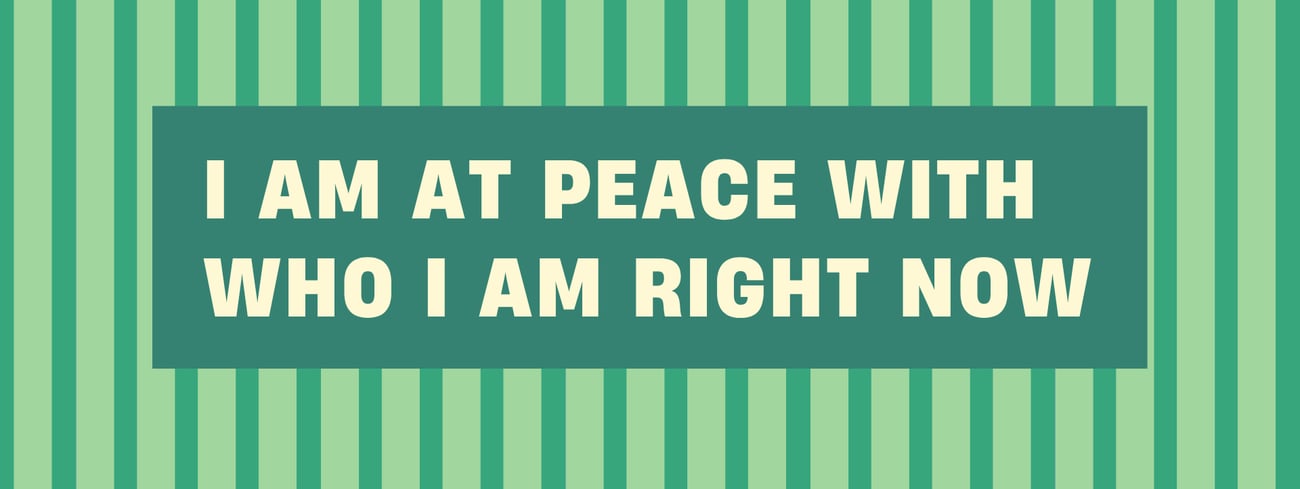
Do you have go-to positive affirmation to get you through tough times? Share it with us for a chance to be featured in the Mental Health Wire! |
| Submit Your Affirmation |
|
|
 |
|
Creating supportive spaces and breaking down stigma requires dedicated community action. Your generous financial support ensures that all of NAMI CCNS support groups, educational programs, and community advocacy remain 100% free to every individual and family who needs them.
|
 Donate To NAMI CCNS |
|
|
|
Learning to treat yourself with patience and kindness is a long-term process, but progress is always possible. Thank you for being a part of our community, for prioritizing your wellbeing, and for helping us build a world where everyone feels valued and supported.
If you are struggling today, please remember to be gentle with yourself. NAMI CCNS is here for you whenever you are ready to reach out.
|
|
|
|
|
|
|
|
|
|
|
Copyright © 2026 NAMI CCNS, All rights reserved.
Our mailing address is:
NAMI CCNS
8324 Skokie Blvd
Skokie, Illinois 60077
United States
Our email address is:
admin@namiccns.org
Want to change how you receive these emails?
You can update your preferences or unsubscribe from this list. |
|
|
|
|


