 |
 |
|
Hello , |
|
May is Mental Health Month, a time to raise awareness, share stories, and advocate for a world where no one feels alone. This week, we are focusing on a powerful tool we all use every day: our words.
Language is the foundation of connection. It has the power to either reinforce old stigmas or create a safe harbor for healing. When we shift our language, we shift our culture; moving from judgment and silence toward empathy and action. In this edition of the Mental Health Wire, we explore how to choose words that honor the person, not just the diagnosis. |
|
|
|
|
 |
|
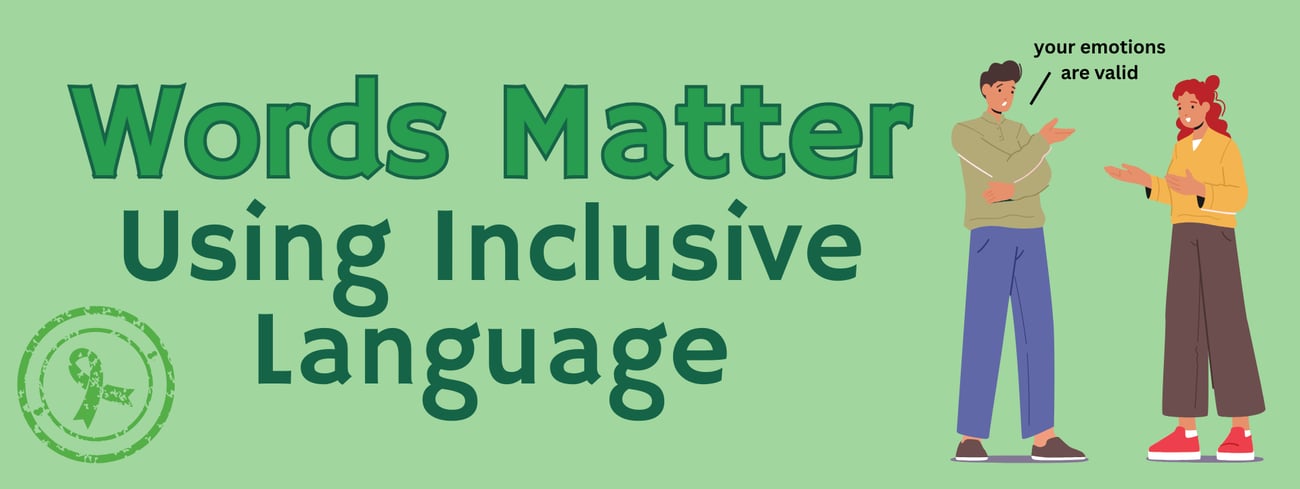
The words you use can break down negative stereotypes and give people hope. By choosing words that are relatable and promote understanding, you help others feel comfortable reaching out for support early.
1. Person-First Language
Person-First means using language to recognize a person’s experience with mental health as only part of them as a person, and not the whole.
-
Consider Saying:
-
“Person living with schizophrenia”
-
“My brother living with OCD”
-
“She is a person recovering from addiction”
-
Avoid:
-
“A schizophrenic”
-
“My OCD brother”
-
“She is an addict”
|
2. Normalizing Language
Practice normalizing what someone is going through and not minimizing, downplaying, or judging their experience with mental health. When we normalize these experiences, we can help people open up more.
-
Consider Saying:
-
“It’s understandable to be feeling down with everything going on.”
-
“What you’re going through is challenging.”
-
“They’re receiving treatment for a mental health condition.”
-
Avoid:
-
“Depression is not a bad illness to have.”
-
“Some people have it way worse.”
-
“Why can’t you just chill out?”
-
“They’re crazy” (This sensationalizes a real medical crisis).
|
3. Mind Colloquial Language
Words and phrases that are second-nature to us (slang or colloquial expressions) may be rooted in problematic assumptions, which can hurt those around us.
-
Consider Saying:
-
“I’m having trouble focusing.”
-
“The weather is fluctuating a lot today.”
-
“I like things done in a particular way.”
-
“That’s unreal!” or “That’s wild!”
-
Avoid:
-
“I have such ADHD right now.”
-
“This weather is bipolar.”
-
“I’m so OCD about this kind of stuff.”
-
“That’s insane!” or “That’s crazy!”
|
4. Language Around Suicide
As one of the most stigmatized topics, it’s helpful to have the right language when talking about suicide. Research shows that talking about and explicitly asking about suicide can greatly reduce the risk of someone dying by suicide.
-
Consider Saying:
-
“Died by suicide” or “Ended their own life.”
-
“Attempted suicide.”
-
“Sometimes when people feel this way, they think about ending their life. Are you having these thoughts?”
-
Avoid:
-
“Committed suicide” (This implies a crime)
-
“Successful suicide” or “Unsuccessful suicide.”
-
“You’re not thinking of killing yourself, are you?” (This can feel judgmental).
-
"I want to kill myself, that was so embarrassing” (Avoid casual mentions).
|
| NAMI Words Matter Guide |
|
|
|
 |
|
Have you noticed that stigma seems to exist inside certain words and expressions? It shows up when someone chooses the word “insane” to dismiss an individual they disagree with or a behavior they don’t understand.
The misuse of these terms, while often not an intentional slight, lacks an understanding of what it is actually like to live with these conditions. It turns a debilitating medical reality into a punchline or a personality quirk. |
The Power of "Just"
Have you noticed how stigma can lurk in the smallest corners of our conversations? Specifically, the word "just." Often, "just" hovers right in front of a judgment. We might say, "She just needs to take her meds" or "It’s just a mood swing." When we use "just," we are often:
-
Dismissing: “He’s just not trying hard enough.” It implies the individual is responsible for their symptoms.
-
Minimizing: “It’s just a mood swing.” It strips away the complexity and gravity of the person's internal struggle.
While we should always offer ourselves compassion (caregiving is hard!), we must be mindful. Solutions to mental health challenges are rarely "straightforward." By removing "just," we acknowledge the true bravery it takes to navigate these conditions. |
| Read the NAMI Blog Post |
|
|
|
|
|
|
|
 |
|
Stigma thrives in silence, but it is dismantled with intention. Over 59 million U.S. adults live with a mental illness, which is 1 in 5 of our neighbors, friends, and family members. Here is why shifting your language matters:
-
Labels Dehumanize: Using people-first language honors a person's humanity first.
-
Jokes Cut Deep: Casual comments can feel like confirmation of someone's worst fears.
-
Words Influence Action: Stigmatizing language can stop someone from seeking life-saving treatment or believing recovery is possible.
|
How You Can Help
-
Be Mindful: Replace labels with person-first phrasing.
-
Speak Up: Gently remind others when they use stigmatizing language.
-
Share Your Story: If you’re ready, your personal journey breaks stigma better than any statistic.
-
Listen Actively: Hear people without interruption or judgment. Making someone feel heard builds trust and reduces isolation.
|
Change Starts With a Single Conversation
Real change doesn't always require grand gestures. It starts when you check in on a friend, share your own journey with vulnerability, or simply choose a more compassionate word. Every conversation matters. Together, we are moving closer to a world where mental health is met with compassion, not silence. |
| How to Talk About Mental Health |
|
|
|
|
|
 |
|
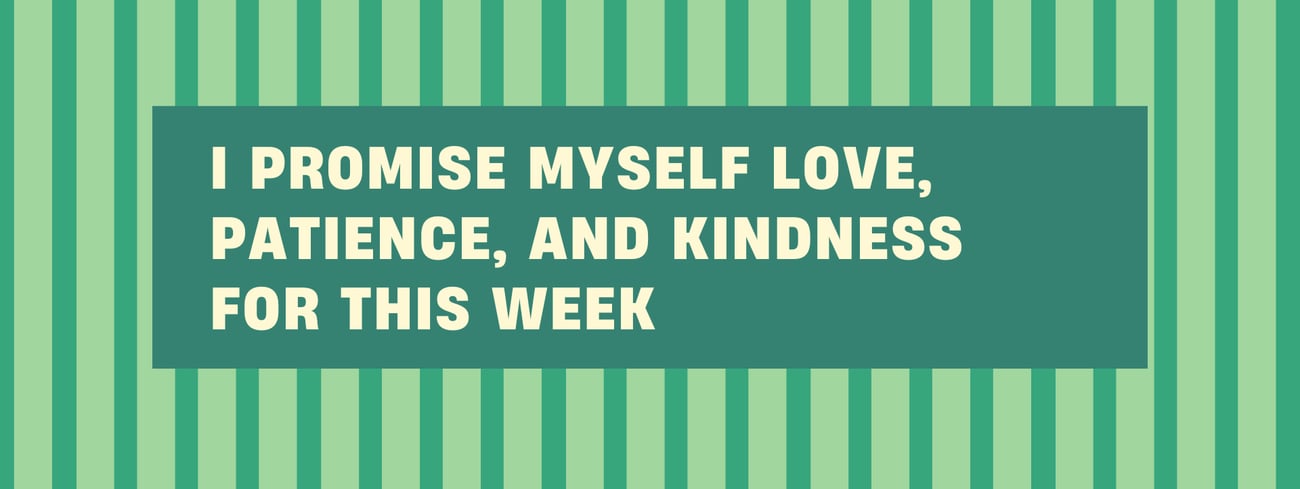
Do you have go-to positive affirmation to get you through tough times? Share it with us for a chance to be featured in the Mental Health Wire! |
| Submit Your Affirmation |
|
|
 |
|
Mental health advocacy is a continuous effort to show up for one another. At NAMI CCNS, we provide our support groups and youth programs at no cost, but we can't do it without you!
If you found this week’s or any other issue of the Mental Health Wire's information helpful, please consider making a donation. Your gift stays local, ensuring that when a family in our community reaches out, we are there to answer.
|
| Donate Now |
|
Thank you for being a vital part of our community. Keep coming back all month long! Next week, we’ll explore how to "have good a day" in honor of this year's mental health awareness month theme.
|
|
With gratitude,
The NAMI CCNS Team
|
|
|
|
|
|
|
|
|
|
Copyright © 2025 NAMI CCNS, All rights reserved.
Our mailing address is:
NAMI CCNS
8324 Skokie Blvd
Skokie, Illinois 60077
United States
Our email address is:
admin@namiccns.org
Want to change how you receive these emails?
You can update your preferences or unsubscribe from this list. |
|
|
|
|


