|
 |
|
Hello , |
|
As we reach the final days of Mental Health Awareness Month, we want to take a moment to look back on everything we have shared this May. We have spent the last few weeks exploring what it means to care for our minds, support our loved ones, and advocate for better mental health care across our community. |
|
|
|
To close out the month, we are focusing on a theme that cuts through the noise of a busy, sometimes overwhelming world: More Good Days. When life feels uncertain or beyond our control, focusing on the small areas we can influence makes a massive difference. |
|
|
|
This week, we invite you to reflect on what a "good day" truly looks like for you. "Good" doesn’t have to mean perfect, burst-with-joy happy, or intensely productive. It might simply mean calm or manageable. Only you get to define it, and whatever your definition is, it is valid. No matter how you are feeling right now, remember: more good days are possible, help is available, and you are not alone.
Before the month ends, you have a powerful opportunity to support free community mental health programming right here in our neighborhoods. If you found this week’s or any other issue of the Mental Health Wire's information helpful, please consider making a donation. Your gift stays local, ensuring that when a community member reaches out, we are there to answer. |
| Donate to NAMI CCNS |
|
|
 |
|
Drawing deeply from clinical research and public health insights, we have expanded this week's tips to give you a clearer understanding of why these strategies work, paired with practical, printable tools to help you take action. |
1. Reclaim Small Choices for Personal Agency
When external circumstances feel overwhelming, reclaiming small choices restores a vital psychological principle known as internal locus of control: the belief that you have power over your own outcomes. Research shows that when you feel like you are doing something because you want to, your baseline well-being instantly rises.
Even choices you might not think much about, like your daily clothing, are powerful tools. The colors, textures, or styles you pick shape how you perceive yourself and can even lower social anxiety.
-
The Clinical Insight: Intentional choices serve as a buffer against feelings of helplessness.
-
Try This: Pick out an outfit, accessory, or even a specific mug for tomorrow that specifically makes you feel comfortable, safe, or entirely like yourself. Notice how making that mindful choice shifts your morning momentum.
-
Put it into practice: Download the Prioritizing Self-Care Worksheet to identify gentle, low-pressure choices you can make to protect your peace today
|
| Prioritizing Self-Care Worksheet |
|
|
2. Identify and Name What's Hiding Underneath
It is incredibly difficult to build a good day when you are feeling stuck, completely overwhelmed, or entirely numb. In psychology, "affect labeling," simply putting a name to what you are feeling, moves brain activity from the emotional center (the amygdala) to the thinking center (the prefrontal cortex). Naming an emotion literally reduces its physiological intensity.
-
The Clinical Insight: When we feel detached or "numb," it is often our brain's defense mechanism shutting down under high stress. Unpacking what is beneath that numbness is the first step toward feeling like yourself again.
-
Try This: Pause right now, take a deep breath, and complete this sentence out loud or in a journal: "Right now, I am feeling ___________." Give the emotion a specific name without judging yourself for feeling it.
-
Put it into practice: If you are feeling emotionally flat, use the What to Do When You Feel Numb Worksheet to safely explore your current state, or utilize the What’s Underneath? Worksheet to pinpoint hidden emotional weights.
|
|
|
|
|
|
|
|
3. Build a Sustainable Routine Connecting Mind and Body
You cannot separate mental health from physical health; they are deeply connected biological systems. Factors like sleep hygine, nutritional density, and physical movement dictate how your brain processes stress and regulates mood. For example, regular physical movement releases endorphins and reduces circulating cortisol (the body's primary stress hormone).
-
The Clinical Insight: When building a routine, the pressure to change everything at once usually triggers a stress response, causing people to give up. Small, incremental wins (like drinking an extra glass of water or setting a consistent bedtime) create lasting neural changes.
-
Try This: Identify one tiny habit you can anchor to your existing routine tomorrow, like drinking a full glass of water right after you brush your teeth, or stepping outside for 5 minutes of sunlight before opening your laptop.
-
Put it into practice: Map out a gentle, realistic structure for your week using the Planning Your Routine Worksheet or get structured support with the Making Lifestyle Changes Worksheet.
|
|
|
|
|
|
|
|
4. Flip the Script on Negative Self-Talk
On tough days, we are easily trapped by a cognitive distortion known as the inner critic. Beating yourself up when things are already difficult acts as a secondary stressor, keeping your body in a prolonged fight-or-flight state.
Conversely, neuroimaging studies show that practicing self-compassion and positive self-affirmations activates the brain's reward system, making individuals more resilient, less likely to avoid problems, and better equipped to handle trauma.
-
The Clinical Insight: Self-compassion isn't about ignoring realities; it is about treating yourself with the exact same patience and kindness you would offer a friend who is struggling.
- Try This: The next time you catch yourself making a harsh internal comment today, interrupt it and ask yourself: "Would I say these exact words to someone I love?" Reframe the thought using the same gentle tone you would use for them.
-
Put it into practice: Shift your internal narrative by checking out the research-backed guide on Affirmations for More Good Days and Why They Work.
|
| Affirmations for More Good Days and Why They Work |
|
|
5. Foster Intentional Community Connections
Caring for our mental health is not a solo mission. Human beings are neurologically wired for connection, and isolation is a primary driver of depression. Engaging in pro-social behaviors, whether it's volunteering, supporting a local cause, or enjoying a casual dinner with friends, triggers the release of oxytocin. This hormonal powerhouse naturally lowers blood pressure, reduces physical pain, and calms the nervous system.
-
The Clinical Insight: Connection acts as an emotional safety net. Even small, brief interactions remind us that we are cared for and that we aren't carrying the weight of tough days alone.
-
Try This: Send a quick, no-pressure text message to one friend or family member right now just to say: "Hey, was thinking about you today and hope you're having a good day!"
-
Put it into practice: If navigating social spaces feels daunting, use the Social Confidence and Connections Worksheet to build sustainable relationships, or work with your loved ones to fill out the Creating a Community Safety and Connection Plan.
|
|
|
|
|
|
 |
|
If having a good day feels completely out of reach right now, please know that you do not have to navigate this alone. Whether you are looking for immediate crisis support, localized peer groups, or educational tools to understand what you are experiencing, free and confidential help is always available.
-
The NAMI CCNS Website: If you are looking for local resources, educational guides, weekly support groups, community events, and programming to enhance your mental health or better support a loved one, then check out our website at namiccns.org
-
The 988 Suicide & Crisis Lifeline: If you or a loved one are experiencing thoughts of suicide, a mental health crisis, or substance use distress, help is a call or text away. Call or text 988 (or chat online at 988lifeline.org) to connect with a trained crisis counselor. Available 24/7, free, and completely confidential.
-
The Crisis Text Line: If you prefer texting over speaking on the phone, you can text HOME to 741741 to connect with a volunteer crisis counselor 24 hours a day.
-
Free Online Mental Health Screening: If you are noticing changes in your mood, sleep, or anxiety levels but aren't sure where to start, check in on your well-being on Mental Health America's website. These quick, completely anonymous, and scientifically validated tests offer immediate feedback and resources for depression, anxiety, PTSD, and more.
|
| Free Online Mental Health Screening |
|
|
|
|
|
|
|
|
 |
|
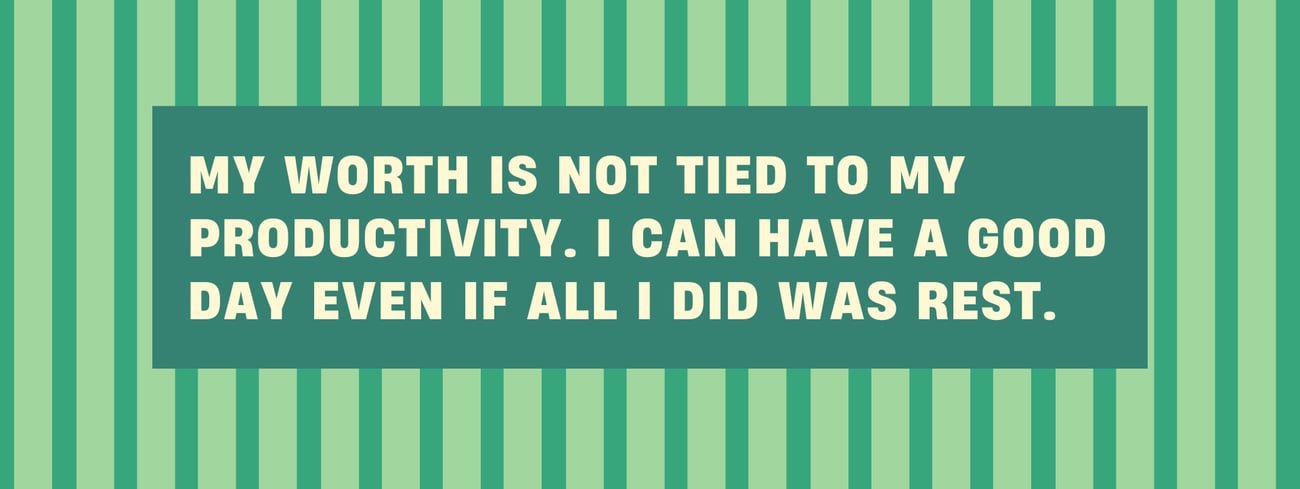
Do you have go-to positive affirmation to get you through tough times? Share it with us for a chance to be featured in the Mental Health Wire! |
| Submit Your Affirmation |
|
|
|
Thank you for walking alongside NAMI Cook County North Suburban throughout this Mental Health Awareness Month. By learning, donating, and showing up for one another, we are making "more good days" a reality for our entire community.
|
|
With hope,
The NAMI CCNS Team |
|
|
|
|
|
Copyright © 2026 NAMI CCNS, All rights reserved.
Our mailing address is:
NAMI CCNS
8324 Skokie Blvd
Skokie, Illinois 60077
United States
Our email address is:
admin@namiccns.org
Want to change how you receive these emails?
You can update your preferences or unsubscribe from this list. |
|
|
|
|