|
 |
Hello ,
|
|
|
As the vibrant colors of spring emerge, so does a
month-long commitment to understanding and inclusion. April is Autism Awareness Month, and today, April 2nd, marks the 17th annual World Autism Awareness Day.
|
|
|
While this day is sanctioned by the United Nations to focus global attention on the millions of individuals on the spectrum, at NAMI CCNS, we join the community in dedicating April to fostering
true acceptance. This week, we explore neurodiversity and how we can all build a more accessible world.
|
|
|
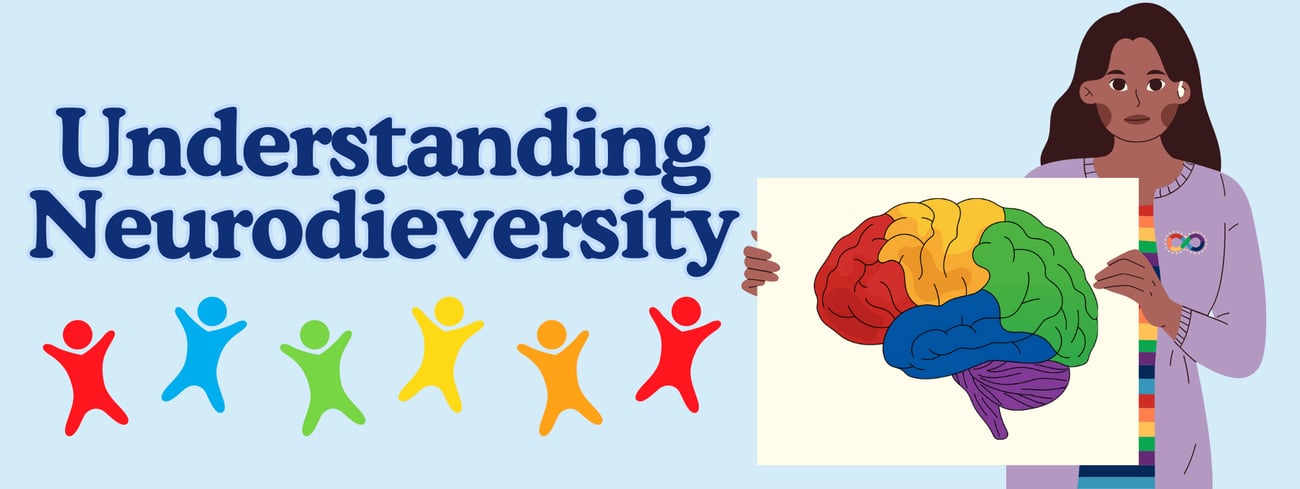 |
What is Neurodiversity?
Neurodiversity is the idea that there is no "right" way for a brain to function. Instead, differences in processing, learning, and interacting are natural variations of the human experience. Approximately 15–20% of the population identifies as neurodivergent.
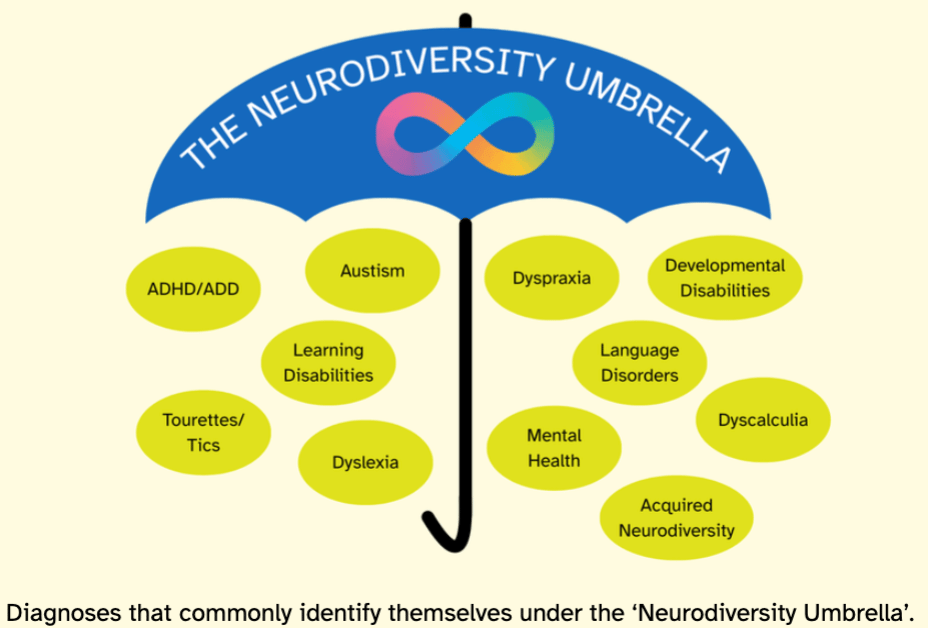
The "Neurodiversity Umbrella" encompasses several diagnoses, including:
|
|
|
|
Autism and ADHD/ADD
Dyslexia, Dyscalculia, and Learning Disabilities
Tourette’s and Tic Disorders
Mental Health conditions and Acquired Neurodiversity
|
|
|
|
|
Understanding the Autism Spectrum
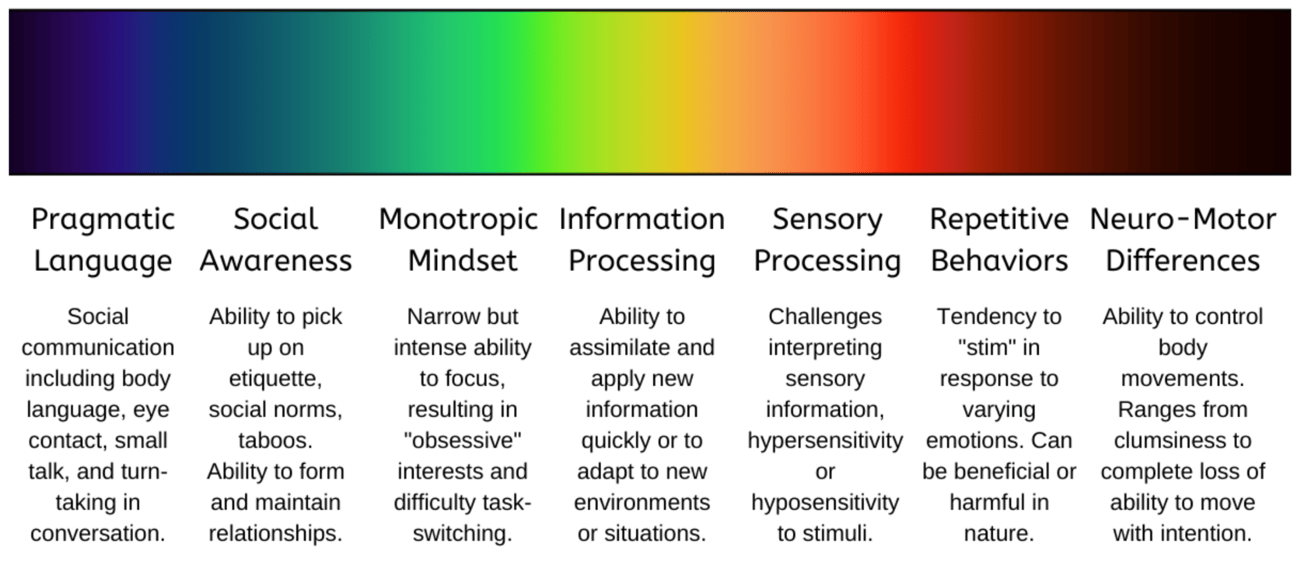
Autism Spectrum Disorder (ASD) is a complex developmental disability that typically appears during the first three years of life. It is a "spectrum" because it affects every individual differently and to varying degrees.
Common Signs: These may include repetitive movements, sensory sensitivities (getting upset by certain smells or sounds), avoiding eye contact, or unique communication patterns.
Unique Strengths: Many autistic individuals excel in visual skills, academics, and music. In fact, roughly 40% of those diagnosed have above-average intellectual abilities.
|
 |
| Learn More About Autism
|
|
|
|
|
Neurodiversity & Mental Health
Neurodivergence and mental health are deeply intertwined. For many years, neurodivergent traits were often shamed or "masked" to fit into a society that didn't understand them. This can lead to significant stress and secondary mental health challenges.
By shifting toward a neurodiversity-affirming approach, we focus on support rather than "cures". Recognizing these "windows of vulnerability" and the biological "roller coaster" of brain chemistry helps us provide better care for ourselves and our loved ones
|
|
|
 |
Accessibility as a Mental Health Tool
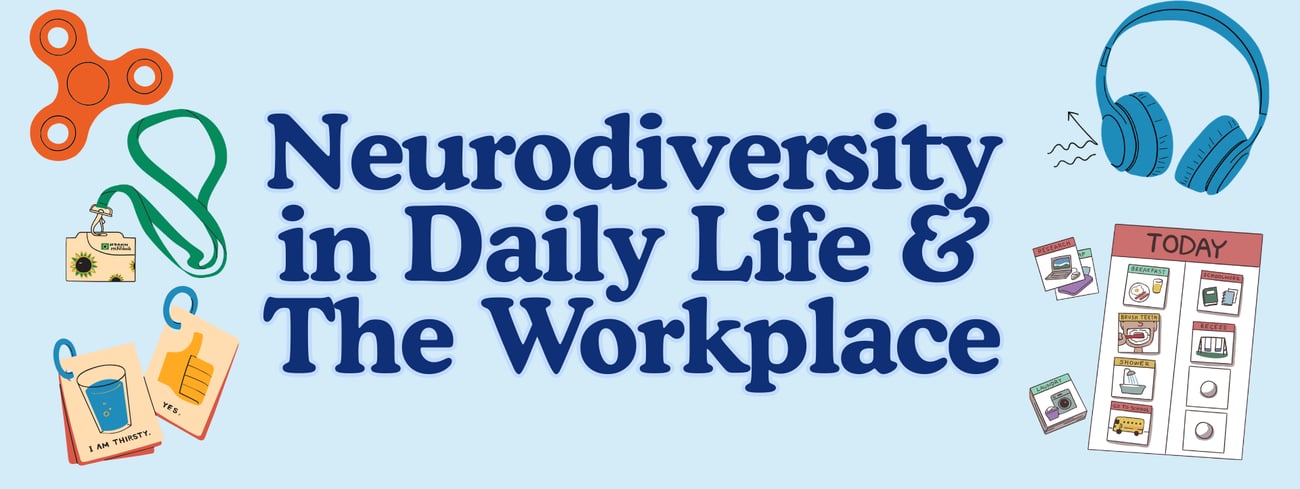
Creating an accessible world isn't just about physical ramps; it's about sensory and cognitive support that reduces anxiety and promotes focus. Many tools originally designed for neurodivergent accessibility now benefit the general public:
Weighted Blankets: Originally designed as self-soothing tools for autistic individuals, they provide gentle pressure to reduce anxiety and evoke calm for many.
Fidgets: These provide an outlet for nervous energy and help regulate attention and stress levels in various settings.
Noise-Canceling Headphones: Beyond blocking distractions, these help calm the senses and increase focus at work, school, or home.
Digital Clarity: Features like simple fonts, high-contrast colors, and closed captioning help everyone process information more deeply and with less strain.
Sensory Spaces: Providing "quiet zones" helps prevent burnout and stress for everyone in high-pressure environments
|
| A World Benefitted by Neurodivergent Accessibility
|
|
|
|
|
Education: The IEP Advantage
For students on the spectrum, the Individualized Education Program (IEP) is a legally binding document under the Individuals with Disabilities Education Act (IDEA). It ensures a Free Appropriate Public Education (FAPE) by providing:
Tailored Goals: Specifically addressing communication, social skills, and behavior.
Specialized Services: Access to speech therapy, occupational therapy, or behavioral support.
Accommodations: Vital changes like visual schedules, sensory breaks, and extended testing time.
Transition Planning: Preparing students for a successful life after high school.
|
| Getting Your Child Mental Health Support and Accommodations in School
|
|
|
|
|
|
The Workplace: Your Rights Under the ADA
Under the Americans with Disabilities Act (ADA), neurodivergent adults have the right to reasonable accommodations to perform essential job functions.
Self-Advocacy: You are not required to disclose a diagnosis during an interview. You can choose to advocate for accommodations—like a quiet workspace or written instructions—after you are hired.
Employer Support: Inclusive practices statistically improve workplace productivity and morale.
|
| Neurodiversity in the Workplace
|
|
|
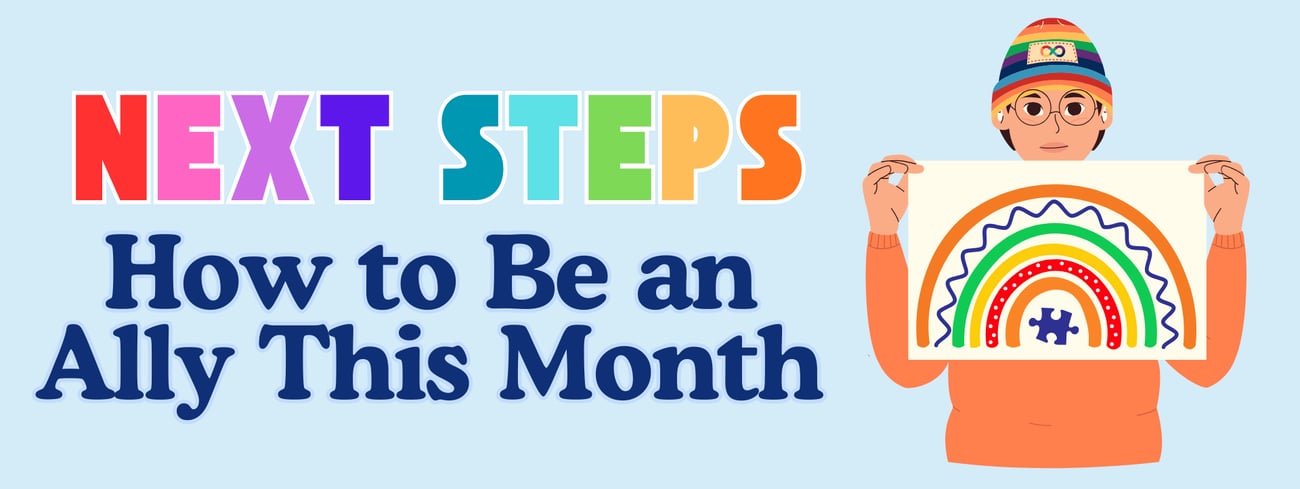 |
Acceptance shouldn't be limited to April; it is a daily practice. Here is how you can contribute to a more supportive community:
Educate & Advocate: Learn the signs of ASD and stand up if you see a neurodivergent individual being bullied or dismissed.
Practice Inclusion: Invite neurodivergent peers to events. Even if they decline due to sensory needs, the act of inclusion fosters a sense of belonging.
Support Caregivers: Recognize the unwavering dedication of parents and caregivers who navigate unique challenges daily.
Use Affirming Language: Dignity begins with how we speak. We recommend using neurodiversity-affirming language rooted in the Social Model of Disability.
|
| Neurodiversity-Affirming Language Guide
|
"Injustice anywhere is a threat to justice everywhere." – Martin Luther King Jr. By embracing neurodiversity, we create a world where every brain is valued and every individual has the opportunity to succeed.
|
|
|
|
|
|
|
|
|
|
 |
NAMI CCNS' 20th Annual Gala: Racing for Hope
When: Saturday, May 2nd, 2026 | 5:00 PM - 8:30 PM
Where: Sunset Ridge Country Club
Tickets and tables are now officially live for our high-stakes Kentucky Derby themed Spring Gala! This isn’t just a fundraiser; it’s the social event of the season where Southern charm meets life-changing impact.
Dust off your boldest hats, find that show-stopping fascinator, and get ready to celebrate in style. Whether you’re sipping a classic mint julep or cheering on our mission, every ticket brings us one step closer to the winner’s circle for mental health in our community. Don’t get left at the starting gate, secure your spot today and let’s make history together!
|
| Buy Your Gala Tickets Today
|
|
|
 |
Do you have go-to positive affirmation to get you through tough times? Share it with us for a chance to be featured in the Mental Health Wire!
|
| Submit Your Affirmation
|
|
|
 |
Donate to NAMI CCNS Today
Your generosity keeps our education programs and support groups free and accessible for individuals and families impacted by mental illness. Every gift makes a real difference: $25 helps cover facility costs for one program session, and $100 supports the training of a new teacher or facilitator. Your support ensures that no one has to face mental health challenges alone.
|
| Donate Now
|
|
|
|
|
|
As we conclude this special edition on neurodiversity and autism acceptance, we are reminded that our community is at its strongest when every individual feels seen, heard, and supported. Whether you are navigating an IEP for your child, advocating for your own rights in the workplace, or simply learning how to be a better ally through affirming language, your efforts are building a more inclusive future for our community. NAMI CCNS is here to ensure that no one, regardless of how their brain interacts with the world, has to walk their path alone.
|
With hope and inclusion,
The NAMI CCNS Team
Contact Us | Instagram | Facebook |
Linktree
|
|
|
|
|
|
|
Copyright © 2025 NAMI CCNS, All rights reserved.
Our mailing address is:
NAMI CCNS
8324 Skokie Blvd
Skokie, Illinois 60077
United States
Our email address is:
admin@namiccns.org
Want to change how you receive these emails?
You can update your preferences or unsubscribe from this list.
|
|
|
|
|