Share
From "emotional captivity" to finding a sense of purpose: see how this holiday’s history offers a roadmap for navigating life’s most difficult transitions
 ‌ ‌ ‌ ‌ ‌ ‌ ‌ ‌ ‌ ‌ ‌ ‌ ‌ ‌ ‌ ‌ ‌ ‌ ‌ ‌ ‌ ‌ ‌ ‌ ‌ ‌ ‌ ‌ ‌ ‌ ‌ ‌ ‌ ‌ ‌ ‌ ‌ ‌ ‌ ‌ ‌ ‌ ‌ ‌ ‌ ‌ ‌ ‌ ‌ ‌ ‌ ‌ ‌ ‌ ‌ ‌ ‌ ‌ ‌ ‌ ‌ ‌ ‌ ‌ ‌ ‌ ‌ ‌ ‌ ‌ ‌ ‌ ‌ ‌ ‌ ‌ ‌ ‌ ‌ ‌ ‌ ‌ ‌ ‌ ‌ ‌ ‌ ‌ ‌ ‌ ‌ ‌ ‌ ‌ ‌ ‌ ‌ ‌ ‌ ‌ ‌ ‌ ‌ ‌ ‌ ‌ ‌ ‌ ‌ ‌ ‌ ‌ ‌ ‌ ‌ ‌ ‌ ‌ ‌ ‌ ‌ ‌ ‌ ‌ ‌ ‌

Hi ,


Happy St. Patrick’s Day!


We are swapping the order of our newsletters this week: today’s send is a special holiday edition of the Mental Health Wire, and on Thursday, we will send our typical weekly newsletter featuring our full list of upcoming programming.


While many of us are preparing for local celebrations, we wanted to take a moment to look at the man behind the holiday through a different lens: the lens of resilience. St. Patrick’s story isn't just history; it’s a narrative of overcoming profound isolation and finding the courage to return to a place of trauma to create something meaningful. His journey mirrors many of our own mental health paths: from navigating "invisible chains" to finding the strength to reach out.


Speaking of reaching out, if you are looking for a community that understands the journey of supporting a loved one, please consider signing up for our upcoming session of Family-to-Family. It is a powerful way to build your own toolkit of resilience alongside others who truly get it.

Register for Spring Family-to-Family

St. Patrick’s journey from a captive teenager to a compassionate leader offers three timeless lessons for our own mental well-being:


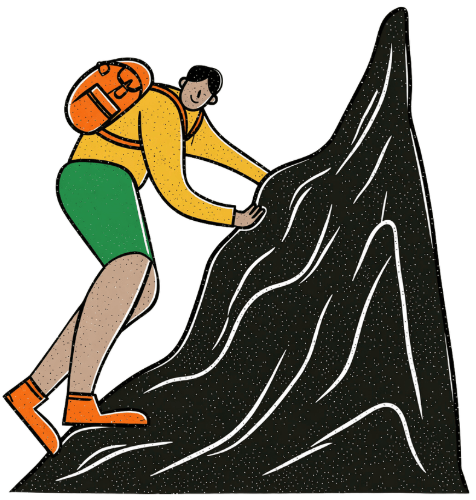
1. Finding Strength in Adversity

At sixteen, Patrick was kidnapped from his home in Wales by Irish raiders and forced into six years of isolation as a shepherd in Ireland. Many today experience a similar sense of "emotional captivity" caused by anxiety, depression, or grief, where the future feels trapped.

  • The Shift: During his solitude, Patrick didn't just survive; he cultivated an inner landscape. He shifted his focus from the tragedy he couldn’t change to the spiritual resilience he could control.

  • The Lesson: When life feels overwhelming, ground yourself in small, manageable actions. Establishing a daily routine, practicing deep breathing, or spending time in nature creates a sense of agency when external circumstances feel chaotic.

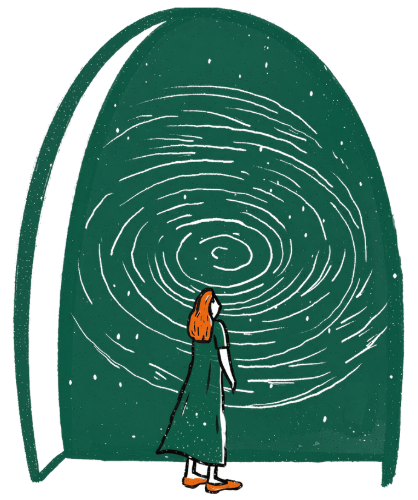
2. Turning Fear into Freedom


Perhaps the most extraordinary part of the story is Patrick’s return to Ireland after being freed. He didn't just move on from his past; he confronted the very place where he had felt most powerless

  • The Shift: Left unchecked, fear shapes our decisions and limits our lives. By returning, Patrick reclaimed his power. As psychiatrist Viktor Frankl famously noted, finding meaning in our suffering is what allows us to endure and grow.

  • The Lesson: Facing what frightens us, whether it’s starting a difficult conversation about your health or seeking therapy for past trauma, shrinks the influence that fear holds over you.

  • Action Step: Identify one fear that feels heavy. Break it into tiny, manageable "micro-steps" so you can move forward at your own pace.

3. Cultivating Self-Compassion


In his years of isolation, Patrick had no family or friends to soothe his fears. He had to learn to be kind to himself in a harsh environment.

  • The Shift: During tough transitions (like a career change, loss, or a new diagnosis), a critical inner voice often grows louder, telling us we aren't doing enough. Self-compassion is the "antidote" that quiets this critic.

  • The Lesson: Healing isn't linear, and it requires being your own ally.

The Reflection: Ask yourself, "Would I speak to a friend this way if they were struggling?" If the answer is no, offer yourself that same grace. Being gentle with yourself during a transition isn't just comforting; it's empowering.

Read More About What St. Patrick can Teach us About Mental Health
Subscribe to our Newsletter
Share Newsletter with Others

Do you have go-to positive affirmation to get you through tough times? Share it with us for a chance to be featured in the Mental Health Wire!

Submit Your Affirmation

Donate to NAMI CCNS Today


Your generosity keeps our education programs and support groups free and accessible for individuals and families impacted by mental illness. Every gift makes a real difference: $25 helps cover facility costs for one program session, and $100 supports the training of a new teacher or facilitator. Your support ensures that no one has to face mental health challenges alone.

Donate Now

As we move through the rest of March, remember that resilience isn't about never falling; it’s about the quiet courage it takes to get back up and find meaning in the struggle. St. Patrick found his "freedom" by turning toward his fears rather than away from them, and we see that same bravery in our community members every single day.


You don’t have to carry your burdens alone or find your way home without a map. Whether you need a peer to listen or a class to help you build your toolkit, NAMI CCNS is here to walk that path with you. May you find a bit of Irish luck this week, but more importantly, may you find the self-compassion to be your own best advocate.

Warmly,
The NAMI CCNS Team
Contact Us | Instagram | Facebook | Linktree

Copyright © 2025 NAMI CCNS, All rights reserved.

Our mailing address is:
NAMI CCNS
8324 Skokie Blvd
Skokie, Illinois 60077
United States

Our email address is:
admin@namiccns.org

Want to change how you receive these emails?
You can update your preferences or unsubscribe from this list.


Email Marketing by ActiveCampaign