 |
 |
|
Hello , |
|
As we continue our journey through Mental Health Month, we are diving deep into one of the most significant barriers to mental health recovery: stigma.
Did you know that more than one in five U.S. adults live with a mental illness? Yet, more than half of those individuals never receive the help they deserve. Often, people avoid or delay seeking treatment due to concerns about being treated differently, internalized shame, or fear of losing their livelihoods.
Stigma, prejudice, and discrimination are still very much a problem, but they are not permanent. By understanding the different forms stigma takes, we can actively work to dismantle it in our homes, workplaces, and communities. |
|
|
|
|
 |
|
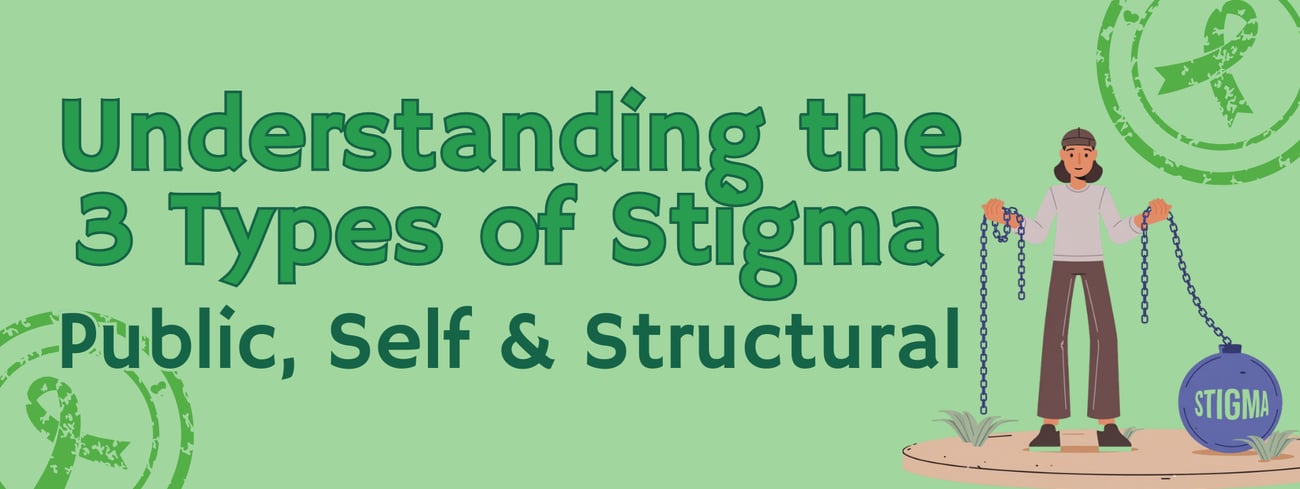
Stigma is universal, but it doesn't always look the same. Researchers categorize stigma into three distinct forms. Understanding these dynamics helps us see where changes need to be made:
1. Public Stigma
This involves the negative or discriminatory attitudes, beliefs, and stereotypes that others hold toward individuals living with mental illness.
-
The Impact: It leads to social isolation and marginalization. Employers may refuse to hire, landlords may refuse to rent, or friends may exclude someone from social groups out of fear or a lack of understanding.
|
2. Self-Stigma
This occurs when individuals internalize the negative stereotypes surrounding their condition, turning public prejudice inward.
-
The Impact: It leads to internalized shame, reduced hope, and lower self-esteem. A person might think, "Why try? Someone like me isn't worthy or capable of living independently." Studies show that self-stigma directly hinders long-term recovery and makes people less likely to stay with treatment.
|
3. Structural Stigma
This is systemic, involving institutional policies (both governmental and private) that intentionally or unintentionally restrict opportunities for people with mental health conditions.
-
The Impact: It manifests as lower funding for mental health research, fewer local treatment facilities, and health insurance policies that fail to adequately cover mental illness relative to physical health conditions.
|
|
|
|
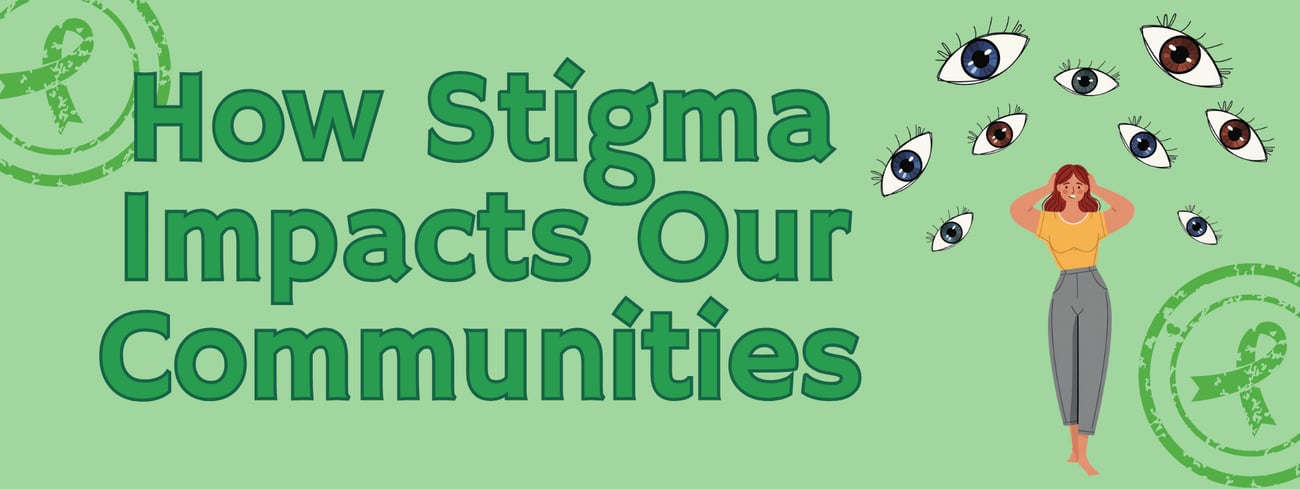 |
Harmful Effects of Stigma and Discrimination
When stigma leads to prejudice and discrimination, individuals face measurable barriers:
-
Reduced Hope and Lowered Self-Esteem: Developing the belief that you’ll never succeed at certain challenges or that you can’t improve your situation.
-
Worsening Symptoms: Experiencing increased psychiatric symptoms and greater difficulties at work or school.
-
Social Isolation: Experiencing friction and difficulties with social relationships, coupled with a lack of understanding by family, friends, coworkers, or others.
-
Treatment Barriers: A severe reluctance to seek help and a reduced likelihood of staying with treatment once it begins.
-
Lost Opportunities: Fewer opportunities for work, school, or social activities, along with trouble finding safe housing.
-
Vulnerability to Harm: An increased risk of facing bullying, physical violence, or harassment.
|
Systemic and Community Barriers
The impacts of stigma are pervasive, extending far beyond the individual and directly affecting local support networks and institutional resources:
-
Systemic Disparities: Health insurance policies often completely fail to adequately cover mental illness treatment.
-
Impact on Family & Friends: Loved ones who provide essential care often experience "courtesy stigma" which leads to blaming themselves, fearing social rejection, or losing their own emotional support networks.
-
Disparities in Diverse Populations: Stigma is exceptionally high in certain racial and ethnic communities. Cultural values regarding emotional restraint, or a historical distrust of the medical system, can create massive barriers to accessing care.
-
Workplace Barriers: A recent national poll by the American Psychiatric Association (APA) found that only 48% of workers feel they can discuss mental health openly with their supervisor. Furthermore, only 3-5% of employees utilize available Employee Assistance Programs (EAPs) due to lingering workplace stigma.
|
| Learn More About Stigma |
|
|
|
|
|
|
|
 |
|
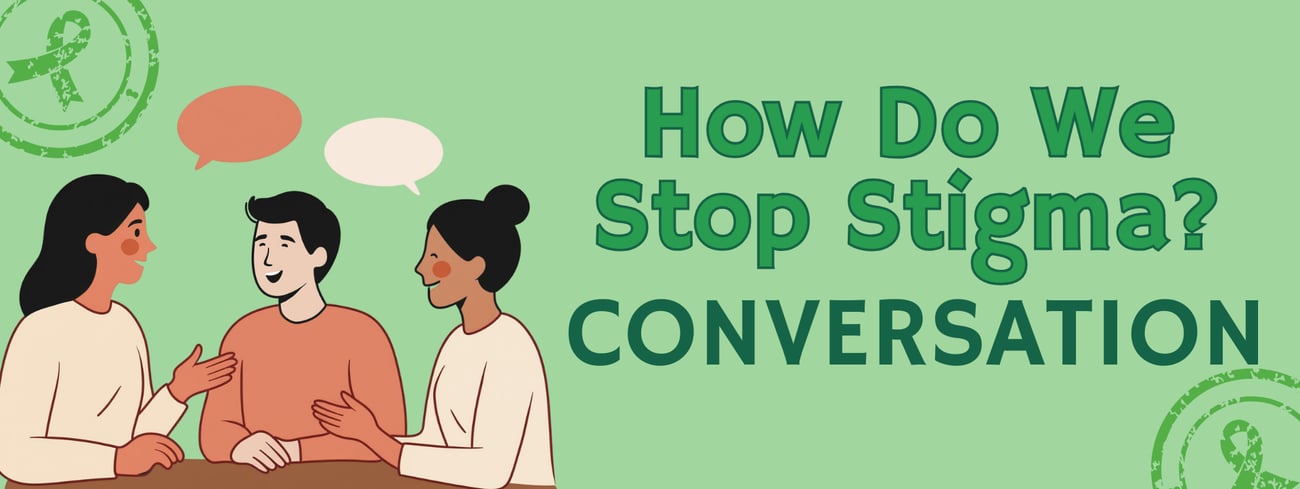
Substantial research shows that knowing or having contact with someone with a mental health condition is the absolute best way to reduce stigma. When individuals speak out, share their stories, and use their platforms, the conversation becomes real, relatable, and less scary.
Whether it is celebrities like Dwayne "The Rock" Johnson and Lady Gaga bringing these discussions into everyday media, or young people searching for shared experiences online, personal stories change minds. We can shift the culture simply by being mindful of what we say when someone trusts us with their story.
Try These Simple Tips for Talking: |
|
|
Do Say
-
“Thanks for opening up to me.”
-
“Is there anything I can do to help?”
-
“I’m sorry to hear that. It must be tough.”
-
“I’m here for you when you need me.”
-
“How are you feeling today?”
-
“People do get better. I love you.”
|
|
Don't Say
-
“It could be worse.”
-
“Just deal with it” or “Snap out of it.”
-
“Everyone feels that way sometimes.”
-
“We’ve all been there.”
-
“Maybe try thinking happier thoughts.”
-
“You’ve got to pull yourself together.”
|
|
|
|
|
|
 |
|
NAMI’s StigmaFree campaign reminds us that through powerful words and actions, we can shift social and systemic barriers. Here is how you can practice anti-stigma advocacy daily:
-
Talk Openly: Share your experiences or educational resources on social media to normalize the conversation.
-
Educate Yourself and Others: Respond to misperceptions or negative comments by sharing facts and lived experiences.
-
Encourage Equality: Draw comparisons between physical and mental illness. Remind people to treat mental health conditions with the same care and seriousness as diabetes, cancer, or migraines.
-
Hold People Accountable: Let family members, friends, co-workers, neighbors, and media outlets know when they use stigmatizing or discriminating language when talking about mental illness.
-
Choose Empowerment Over Shame: Own your story and refuse to allow the misconceptions of others to dictate how you view yourself.
|
| StigmaFree Campaign by NAMI |
|
|
|
|
|
|
|
|
 |
|
Do you have go-to positive affirmation to get you through tough times? Share it with us for a chance to be featured in the Mental Health Wire! |
| Submit Your Affirmation |
|
|
 |
|
Mental health advocacy is a continuous effort to show up for one another. At NAMI CCNS, we provide our support groups and youth programs at no cost, but we can't do it without you!
If you found this week’s or any other issue of the Mental Health Wire's information helpful, please consider making a donation. Your gift stays local, ensuring that when a community member reaches out, we are there to answer.
|
| Donate to NAMI CCNS |
|
Thank you for being a vital part of our community. Keep coming back all month long! Next week, we’ll explore how to "have good a day" in honor of this year's mental health awareness month theme.
|
|
With gratitude,
The NAMI CCNS Team |
|
|
|
|
|
Copyright © 2026 NAMI CCNS, All rights reserved.
Our mailing address is:
NAMI CCNS
8324 Skokie Blvd
Skokie, Illinois 60077
United States
Our email address is:
admin@namiccns.org
Want to change how you receive these emails?
You can update your preferences or unsubscribe from this list. |
|
|
|
|


