|
|
|
|
|
|
Reflecting on National Eating Disorders Awareness Week
Last week (February 23rd – March 1st) marked National Eating Disorders Awareness Week (NEDAW). This year’s theme, "Every BODY Belongs," reminds us that eating disorders do not discriminate based on age, gender, race, or body size.
In the United States, an estimated 9% of the population (~28.8 million Americans) will experience an eating disorder in their lifetime. Despite their prevalence, these conditions are often shrouded in silence and stigma. At NAMI CCNS, we believe that education and community support are the strongest tools we have to break that silence.
|
|
|
|
|
To support those we love, we must first unlearn common misconceptions. Understanding the truth helps us provide better empathy and care.
|
| MYTH |
FACT |
| "It's just about vanity or physical appearance." |
Eating disorders are complex medical conditions. Risk factors include genetics, neurobiology, trauma, and sociocultural pressures. It is rarely a "choice." |
| "Only young women are affected." |
Eating disorders don't discriminate.
They affect all ages, genders, and backgrounds. Men make up roughly one-third of those diagnosed. |
| "You can tell someone is sick by looking at them." |
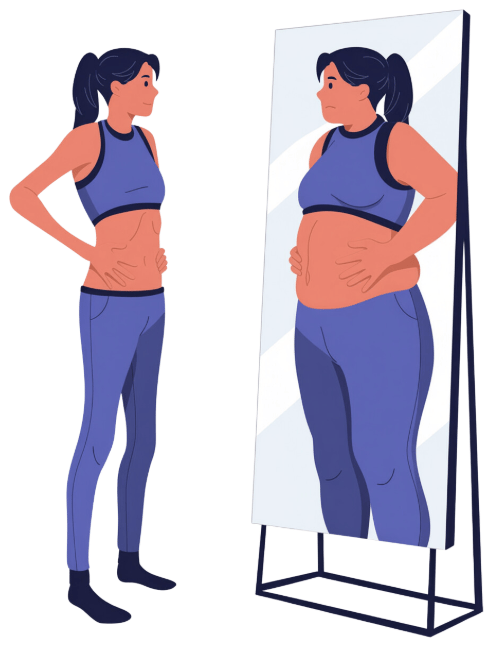
Only 6% of people with eating disorders are "underweight." Someone of any body size can be struggling with dangerous behaviors. |
| "Eating disorders aren't that serious." |
Eating disorders are serious, life-threatening illnesses with the highest mortality rate of any psychiatric disorder: claiming a life every 52 minutes |
|
|
|
|
|
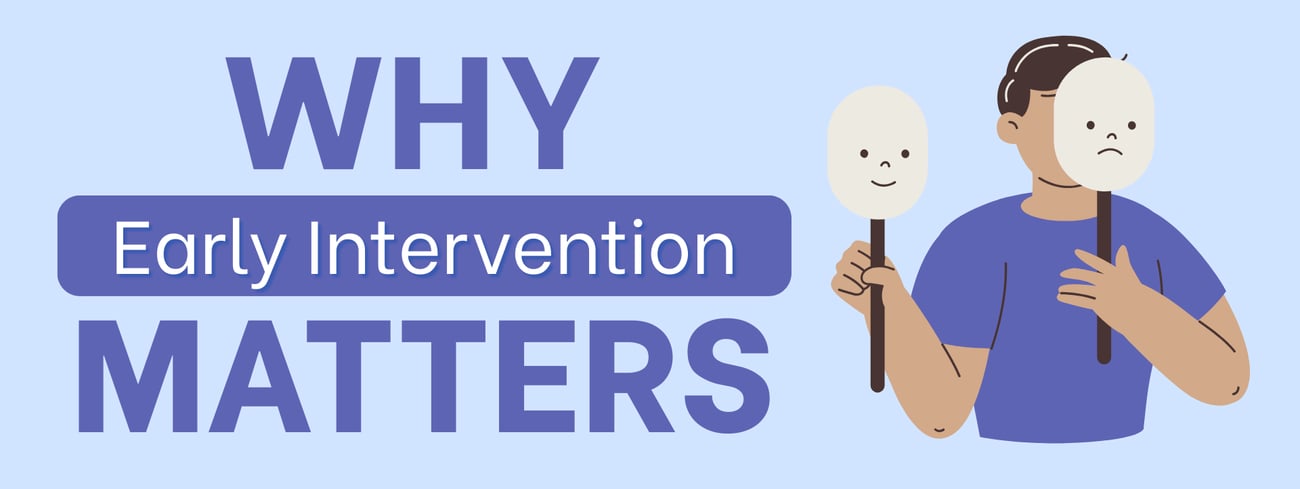 |
Eating disorders rarely travel alone. Most individuals also face co-occurring challenges like anxiety, mood disorders, or substance use. Because people with eating disorders have a 5-6 times higher rate of suicide attempts, recognizing the signs early can quite literally be life-saving.
Common signs to watch for: |
|
|
Skipping meals or extreme dieting.
Withdrawal from usual social activities involving food.
Excessive worry about body size or shape.
Extreme exercise regimens
|
|
|
|
|
The path to recovery often starts with a single moment
of clarity. If you are concerned about your relationship with food, exercise, or body image (or if you are worried about a loved one), there is a simple way to start the conversation.
|
|
|
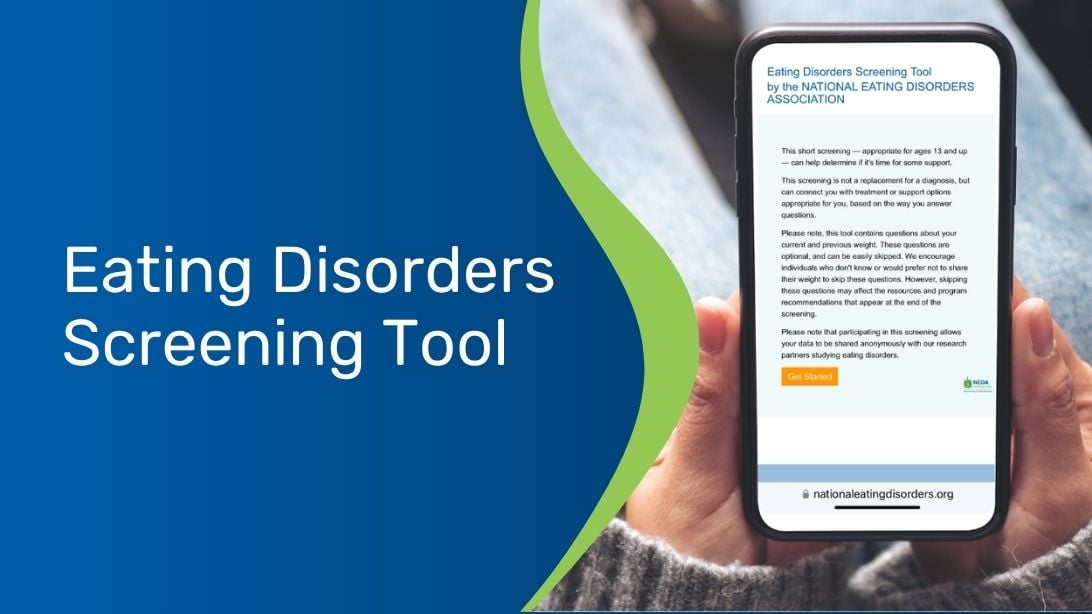
The National Eating Disorders Association (NEDA) offers a free, anonymous screening tool for individuals ages 13 and up.
Fast: It takes only about three minutes to complete.
Informative: While it does not provide a clinical diagnosis, it helps you understand if it is time to seek professional help.
Connected: Once finished, you will be linked to treatment resources tailored to your needs.
|
| Get Started with the Screening Tool
|
|
|
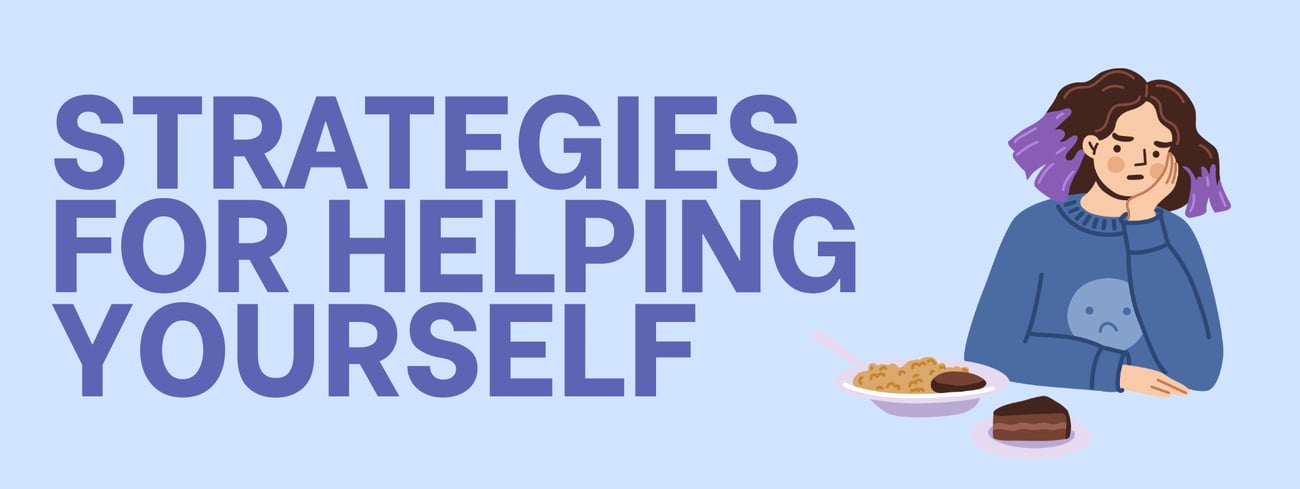 |
Coping with an eating disorder isn’t easy, but treatment can teach you powerful ways to reclaim your life. If you are struggling, consider these steps:
Change Your Environment: Remove reminders of negative behaviors. Resist the impulse to check the mirror frequently or weigh yourself multiple times a day.
Identify Triggers: Steer clear of "troublesome reminders"—certain places, social media feeds, or situations that spark old habits. Have a plan ready to deal with them.
Practice Self-Acceptance: Your healthy weight is your ideal weight. Look for healthy role models and focus on activities that make you feel capable and strong.
Partner with Providers: Develop trust with your healthcare team. Be consistent with therapy and meal plans, and always discuss complementary therapies (like yoga or massage) with them first.
Find Peer Support: Share your fears and questions with others who truly understand. Programs like NAMI Connection Recovery Support Groups offer a safe space for these conversations.
|
| NAMI CCNS Connection Recovery Support Groups
|
|
|
 |
If you suspect a loved one is struggling, your approach can make a world of difference.
Discuss Concerns Lovingly: Talk to them in a non-confrontational way. Tell them you care and suggest they see a professional who is knowledgeable about eating disorders.
Avoid the "Logic Trap": Avoid placing blame or offering "simple solutions." This minimizes the courage it takes to recover. If they aren't ready to acknowledge the problem, simply remain a supportive friend.
Be a Role Model: Reflect on your own attitudes toward food and exercise. Focus your compliments on their personality and accomplishments rather than their physical appearance.
For Parents: You are an active partner in your child’s treatment. It is essential to find a mental health professional experienced in treating young people.
|
|
|
 |
NAMI CCNS and the national NAMI network are here to provide you and your family with information and community resources.
National Support:Local Cook County Support:
ANAD Helpline: Based in Illinois, offering peer support at 888-375-7767.
NAMI CCNS Support Groups: We offer NAMI Basics, Family-to-Family, and Family Support Groups right here in our community. These programs provide a chance to share thoughts and questions with others in similar situations.
Recovery is possible with the right treatment and long-term support. Let’s continue to pave the way for healing and hope in our community.
|
| NAMI CCNS Support Groups
|
|
|
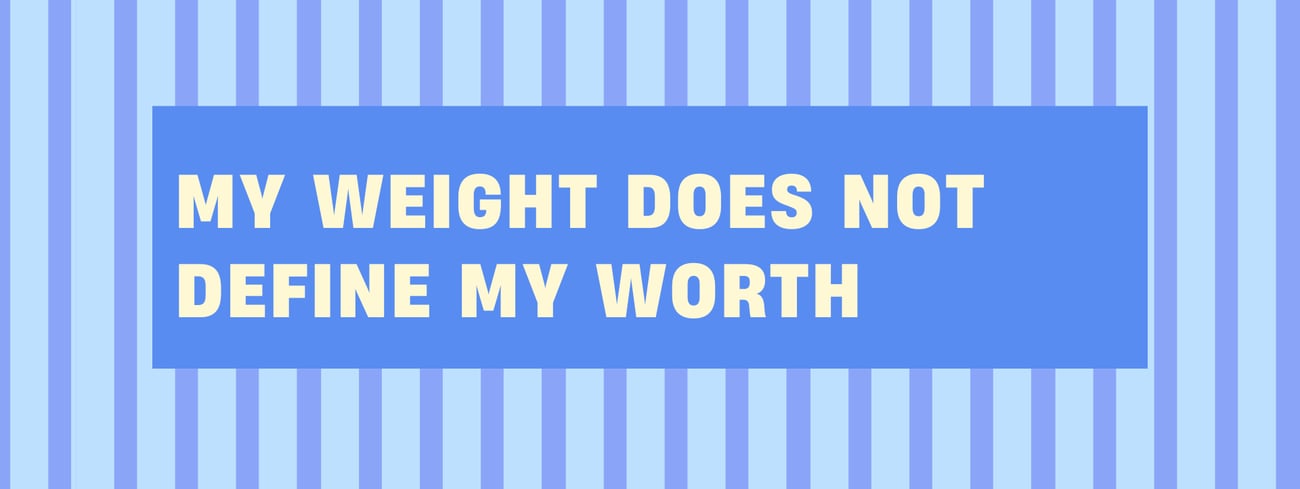 |
Do you have go-to positive affirmation to get you through tough times? Share it with us for a chance to be featured in the Mental Health Wire!
|
| Submit Your Affirmation
|
|
|
|
|
|
|
Donate to NAMI CCNS Today
Your generosity makes it possible for NAMI CCNS to offer vital education, support, and advocacy to individuals and families impacted by serious mental illness. Make a gift today and help us create a compassionate tomorrow.
|
|
|
|
|
|
|
Just because the awareness week has ended doesn't mean the support stops. By breaking the silence surrounding eating disorders and reaching out for help, we build a stronger, more
resilient community for everyone. Whether you need a support group, a listening ear, or simply more information, we are here for you.
|
|
|
|
|